
What’s an ‘Extracurricular Spike’?
When I meet with students to review their extracurricular activities for the first time, many are curious about whether or not they should focus on a single activity until they apply to college. I think for anyone considering an application to US universities, this is an important aspect to consider given the ‘holistic’ nature of the admissions processes, that is, thinking about how diverse your ECs should be.
How to Write the U Chicago Supplemental Essays

How does the University of Chicago, as you know it now, satisfy your desire for a particular kind of learning, community, and future? Please address with some specificity your own wishes and how they relate to UChicago.
UChicago Supplemental Essay Prompts 2025-26
Supplemental Essays of U Chicago The University of Chicago has long been celebrated for its provocative essay questions. They consider these prompts a unique opportunity for students to reveal their true selves, preferences, and aspirations. These questions can be tackled with absolute seriousness, whimsical creativity, or a blend of both. Every year, U Chicago reaches […]
Exploring the List of Unranked Universities

Recently, many universities have opted out of the ranking system. There are several reasons why some colleges and universities have decided to opt out of the US ranking
Writing Essays for the University of California
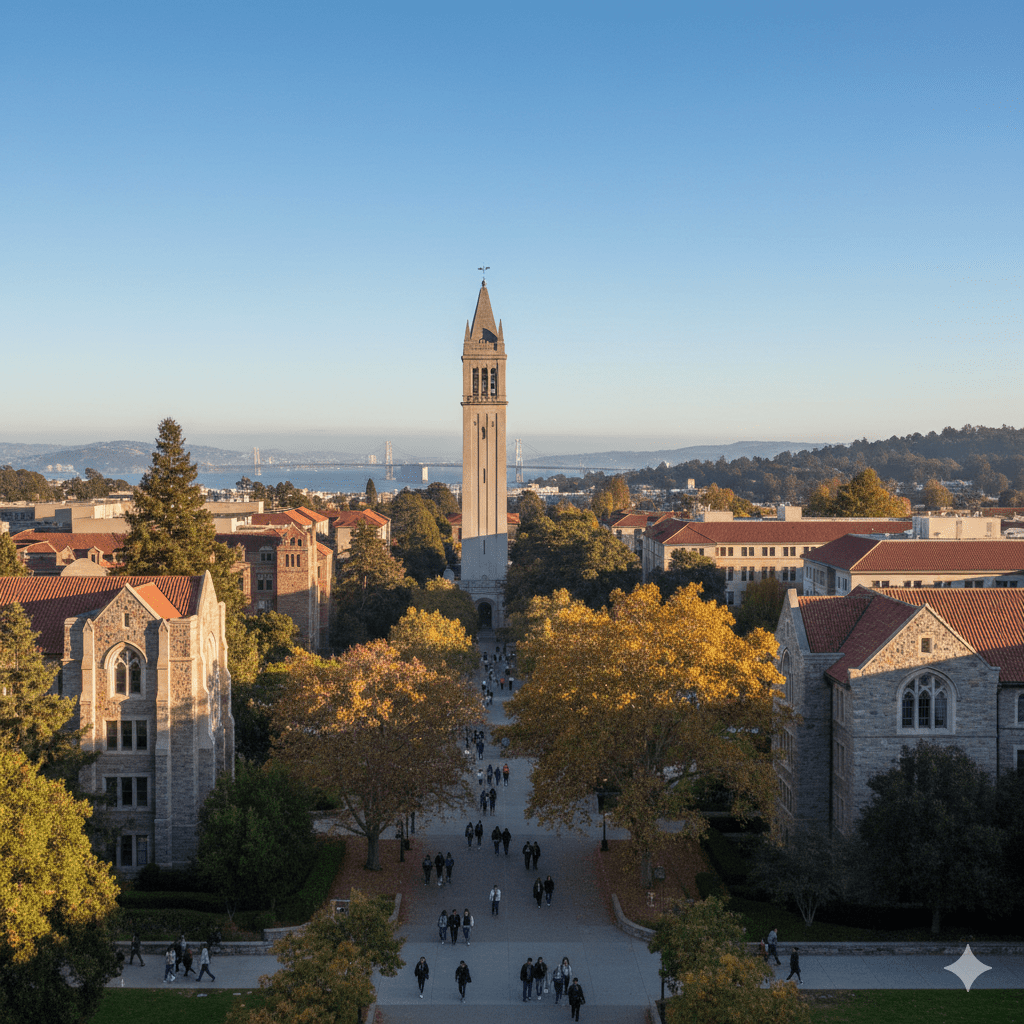
The UC application is round the corner and we are prepping for the 30th November deadline just as most of you are. If you are applying to one or more of these amazing universities, then these tips may be just the thing you need right now.
Should you apply Early Action?

Early Action, or EA, is offered by many public universities and a few private universities in the US, whose deadline is typically in November.
It is often thought that Early Action (EA) is a ‘non-binding’ application to colleges and universities in the US. Typically, this means that you can apply to other universities simultaneously – something that the Early Decision or ED disallows you from doing.
F1 Student Visa: The Basics
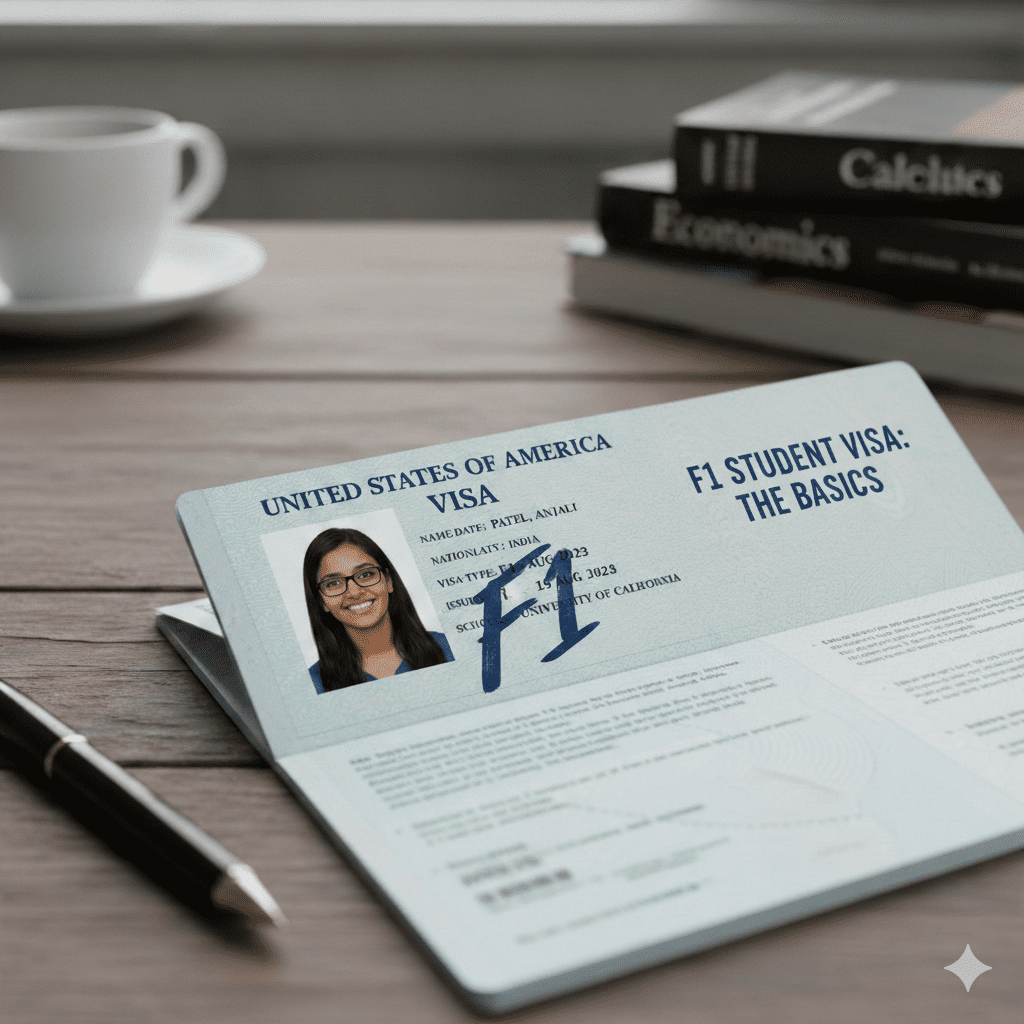
As an International student, you will be applying for a Non-Immigrant Visa. This means that you will not be allowed to ‘work’ in the US (excluding internships/co-ops which are practical/experiential opportunities – more on this in my future blog). While Student Visas can be received up to 120 days prior to the beginning of the course date, you are only allowed to enter the United States more than 30 days before this date
Choosing the Right College Setting and Location

In a previous blog, I gave five tips to help students find their perfect college match. In the article, I asked students to reflect on what they need around them to flourish, by which I meant what do they need, to feel comfortable during their time living at college. In this blog I’m going to explore this further by looking in more detail about just one aspect that students should consider, how does the setting and location of a college contribute to the college experience.
What is a College Consortium?
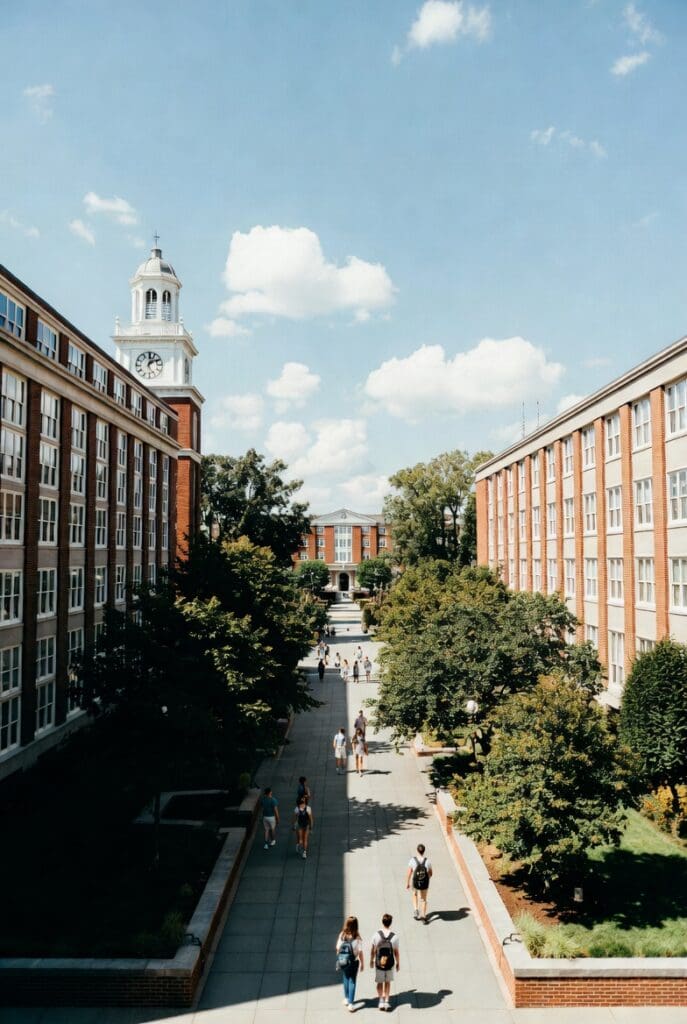
College Consortiums are formed when two or more colleges/universities come together to share resources. These resources could be in the form of labs, libraries, cultural centers, faculty, etc. Colleges from a consortium are located within 10 to 20 miles of each other, to ensure the smooth functioning and use of these facilities by students from these colleges.
US Credit System: How does it work?
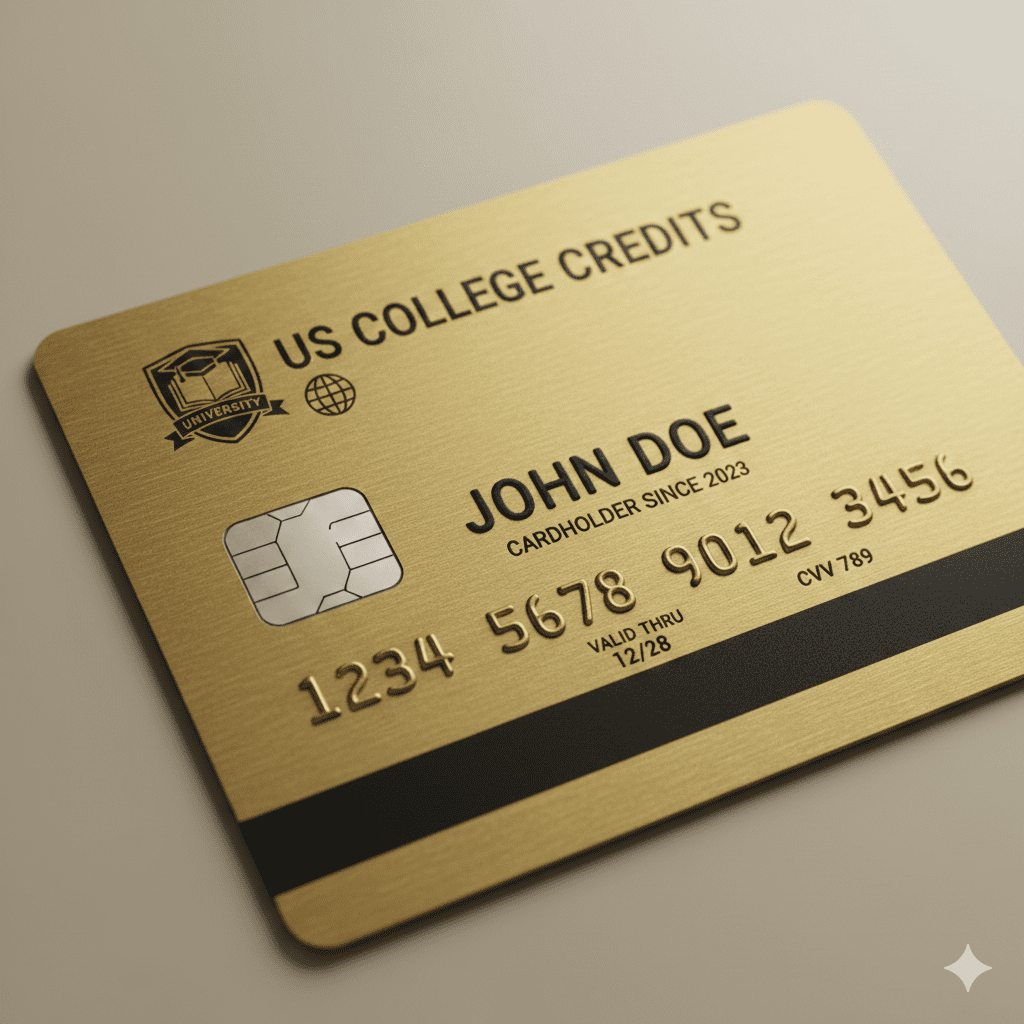
US universities are most known for the flexibility in their curriculums. This is due to the fact that they offer a credit-based system to measure coursework required for a specific Undergraduate or Graduate program. This framework provides greater freedom in course selection to its students. For instance, you could do a double major or a major and a minor, as long as you are satisfying mandatory credit requirements.