
When your counseling caseload leaves little room for individual summer planning, start with the student’s writing goals: Iowa Young Writers’ Studio is the default for creative writing; Medill’s journalism program fits aspiring reporters; JCamp fits students exploring different news formats. This guide compares summer writing and journalism programs for teens in 2026 and shows how to turn a shortlist into a counselor-guided decision.
- Iowa Young Writers’ Studio leads this shortlist for creative writing, not journalism.
- Medill fits reporting-focused students; Kenyon Review Young Writers fits students seeking sustained writing practice.
- JCamp and Princeton Summer Journalism Program deserve consideration when their missions and eligibility match the student.
- Use summer writing and journalism programs for teens to support student interests, not promise admissions results.
Why this matters
A student who loves poetry needs a different summer experience from a student who wants to interview sources. Both write, but the work, feedback, and responsibilities differ. Your recommendation should make that distinction before a family starts an application.
Schooligio brings course, career, and college planning into one platform for students in grades 8–12. Schooligio supports planning around summer writing and journalism programs for teens; counselors provide the judgment about student readiness, fit, and priorities.
Schooligio is best for students who need to connect extracurricular planning with course, career, and college choices. It is a planning platform, not a summer writing program, so it does not belong in the ranked program list.
What makes the best teen writing program?
Use these criteria before comparing names. A recognizable institution is not a substitute for the right kind of work.
- Writing fit: The program should teach the genre the student actually wants to practice: fiction, poetry, reporting, or another clearly defined form.
- Feedback and revision: Look for an explanation of how students receive feedback and use it to revise, rather than treating a finished submission as the whole experience.
- Reporting practice: For journalism, check whether students interview sources, verify information, and distinguish reporting from opinion.
- Student readiness: Compare the application requirements with the student’s current writing experience, independence, and interests.
- Practical fit: Confirm the current format, schedule, location, and family responsibilities directly with the organizer.
- Purpose beyond applications: Choose an experience the student would value even if a college never saw its name.
For your 2026 shortlist, use the organizers’ current materials to confirm session details and eligibility. The ranking below compares educational fit; it does not establish that a particular session is accepting applications.
Summer writing and journalism programs at a glance
| Rank and program | Best for | Standout focus | Key limitation |
|---|---|---|---|
| 1. Iowa Young Writers’ Studio | Creative-writing exploration | Fiction, poetry, and other creative-writing forms | Not a reporting-centered journalism program |
| 2. Medill-Northwestern Journalism Institute | Reporting-focused students | Journalism study through Northwestern’s Medill | Not the default for poetry or fiction |
| 3. Kenyon Review Young Writers | Sustained writing practice | Generative writing and workshop discussion | Not a substitute for newsroom experience |
| 4. JCamp | Exploring journalism formats | Journalism training organized by AAJA | Not a general creative-writing workshop |
| 5. Princeton Summer Journalism Program | Students from limited-income backgrounds pursuing journalism | Journalism alongside college-access support | Eligibility is central to fit |
For a broader comparison of summer study options, use the guide to college summer programs for high schoolers. Keep this shortlist focused on writing rather than treating every campus-based experience as interchangeable.
1. Iowa Young Writers’ Studio: best for creative-writing exploration
Iowa Young Writers’ Studio is a University of Iowa program for high school writers. Its creative-writing focus makes it the strongest default here for a student interested in developing fiction, poetry, or related literary work.
Start with the student’s actual drafts. A teenager who returns to stories without being assigned them has a clearer reason to pursue a creative-writing workshop than someone choosing it solely because the institution sounds impressive.
Iowa Young Writers’ Studio pros:
- A clear creative-writing focus helps distinguish it from journalism training.
- A community of young writers gives students a setting for discussing literary work.
- The program offers a direct connection between an existing writing interest and summer study.
Iowa Young Writers’ Studio cons:
- Its purpose does not match a student primarily seeking reporting practice.
- Students seeking only help with a college application essay should choose a more directly relevant form of support.
Best for: Students who want to explore creative writing and discuss their work with other writers.
For 2026, confirm which program format and genre options match the student before building an application plan. Do not assume every offering has the same structure.
Verdict: Choose Iowa Young Writers’ Studio as the default for creative writing; skip it when reporting is the main goal.
2. Medill-Northwestern Journalism Institute: best for reporting
The Medill-Northwestern Journalism Institute, often called the journalism “Cherubs” program, focuses on journalism for high school students. Its connection to Northwestern’s Medill makes it a relevant option for teenagers who want to explore reporting rather than literary writing.
A useful counseling question is whether the student enjoys discovering information, not just expressing an opinion. Reporting requires curiosity about other people and a willingness to check what a source says.
Medill-Northwestern Journalism Institute pros:
- Journalism is the central subject, rather than a small part of a general writing course.
- Its reporting focus aligns with students considering school newspapers or journalism study.
- The distinction between reporting and creative writing gives counselors a clear fit criterion.
Medill-Northwestern Journalism Institute cons:
- It is not the strongest match for students seeking poetry or fiction workshops.
- A student interested only in personal essays needs to understand the different demands of journalism.
Best for: Students who want journalism to be the main purpose of their summer experience.
Ask the student to describe a story they would investigate. A specific question about their school or community provides a better starting point than a general ambition to become a writer.
Verdict: Choose Medill-Northwestern Journalism Institute for a reporting-focused student; skip it for a primarily literary goal.
3. Kenyon Review Young Writers: best for sustained writing practice
Kenyon Review Young Writers is a creative-writing program associated with the Kenyon Review. Its emphasis on generating writing and discussing work makes it a strong alternative for students who want to deepen their writing practice.
This is a different goal from producing a polished application essay. Students should enter with an interest in writing itself, including experiments that do not become finished pieces.
Kenyon Review Young Writers pros:
- Creative writing remains the central activity.
- Generative work gives students a reason to try unfamiliar approaches.
- Workshop discussion supports attention to how writing works, not just what it says.
Kenyon Review Young Writers cons:
- The literary focus does not replace reporting or interviewing practice.
- Students seeking only a finished portfolio should examine how the program balances new writing and revision.
Best for: Students who enjoy creative writing and want an environment centered on practice and discussion.
For your 2026 comparison, ask how each current offering handles feedback, revision, and student participation. Those details matter more than an assumed advantage attached to either Iowa or Kenyon.
Verdict: Choose Kenyon Review Young Writers for sustained creative practice; skip it when the student wants a newsroom experience.
4. JCamp: best for exploring journalism formats
JCamp is a journalism training program organized by the Asian American Journalists Association, known as AAJA. Its journalism mission and attention to diverse perspectives make it a useful option for students exploring how news is reported and presented.
The counseling conversation should begin with curiosity about news. Ask what the student follows, whose perspectives they notice, and what questions remain unanswered.
JCamp pros:
- Journalism training gives the program a distinct purpose.
- AAJA’s mission makes representation and perspective relevant to the student’s exploration.
- It belongs on the shortlist for students interested in news beyond creative prose.
JCamp cons:
- It is not designed as a general fiction or poetry workshop.
- Students should review the current curriculum rather than assume every preferred news format receives equal attention.
Best for: Students who want to explore journalism and the perspectives involved in telling public-interest stories.
For 2026, check the organizer’s current eligibility, location, and program description. Build the recommendation around the actual offering, not descriptions of a past session.
Verdict: Choose JCamp for journalism exploration; skip it when the student’s goal is literary workshop feedback.
5. Princeton Summer Journalism Program: best for eligible aspiring reporters
Princeton Summer Journalism Program serves high school students from limited-income backgrounds and connects journalism with college-access support. That combined purpose distinguishes it from programs centered only on writing instruction.
Eligibility belongs at the beginning of the conversation. Confirm the organizer’s current requirements before encouraging a student to invest effort in an application.
Princeton Summer Journalism Program pros:
- Journalism and college-access support sit within the same program’s purpose.
- Its mission provides a specific reason to consider it for eligible students.
- The focus helps counselors distinguish it from general precollege study.
Princeton Summer Journalism Program cons:
- Its eligibility requirements make it inappropriate as a universal recommendation.
- It is not a creative-writing alternative for students primarily interested in fiction or poetry.
Best for: Students from limited-income backgrounds who meet the current requirements and want to pursue journalism.
Avoid presenting the Princeton name as the main benefit. The meaningful fit is between the student’s reporting interest, the program’s mission, and its college-access purpose.
Verdict: Choose Princeton Summer Journalism Program when mission and eligibility align; skip it when either does not.
How we ranked these programs
This ranking prioritizes writing fit, educational purpose, feedback, and student readiness—not institutional prestige. Iowa leads as the creative-writing default; Medill leads for reporting. Kenyon, JCamp, and Princeton address distinct priorities that deserve separate consideration.
No single option wins for every teenager. A strong recommendation identifies what the student wants to practice and explains why the program’s focus supports that goal.
Turn the shortlist into a student-owned decision
Schooligio can support extracurricular planning, but your counseling expertise remains central when comparing summer writing and journalism programs for teens. Ask the student to complete these steps before a family commits to a direction.
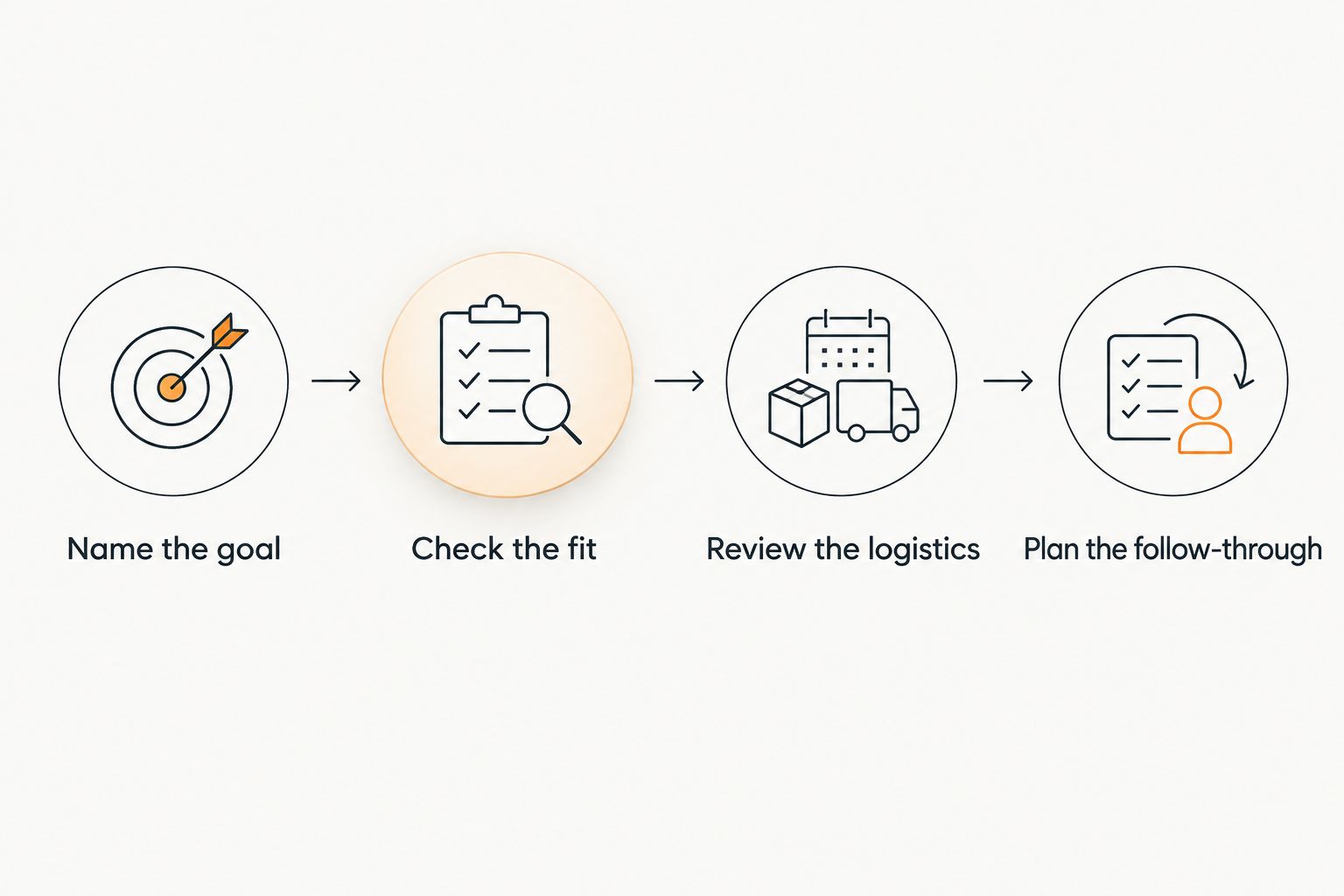
Name the goal
Have the student choose a primary purpose: creative writing, reporting, or exploration. Ask for 3 writing samples that show their current interests; these are a counseling exercise, not a universal application requirement.
Check the fit
Build a shortlist of 2 programs with different strengths. Read the current requirements together and separate an appealing name from a suitable experience.
Review the logistics
Confirm the schedule, format, location, supervision arrangements, and responsibilities directly with the organizer. Make sure the family understands what participation involves before treating a program as the student’s summer plan.
Plan the follow-through
Choose 1 revised piece as a personal follow-through goal. A story, poem, or reported article gives the student something concrete to revisit after the experience, without assuming publication or an admissions benefit.
Keep the student responsible for explaining the choice. A counselor can clarify options, but the student should be able to say what they want to learn and why this particular experience fits.
Which program should you choose?
Choose Iowa Young Writers’ Studio when the undecided student’s main interest is creative writing. Choose Medill-Northwestern Journalism Institute when the main interest is reporting. Use Kenyon Review Young Writers for sustained creative practice, JCamp for journalism exploration, and Princeton Summer Journalism Program when its mission and eligibility align.
For schools considering Schooligio for broader student planning, contact the partnerships team to discuss your counseling needs. Keep the discussion focused on how the platform supports guidance—not on unverified promises about admissions or school outcomes.
FAQ
What are the best summer writing and journalism programs for teens?
Iowa Young Writers’ Studio is the creative-writing default in this guide, while Medill-Northwestern Journalism Institute is the reporting-focused choice. Kenyon Review Young Writers, JCamp, and Princeton Summer Journalism Program serve different interests and eligibility needs.
Is Iowa Young Writers’ Studio better than Kenyon Review Young Writers?
Neither program is better for every student. Iowa is this guide’s default for creative-writing exploration; Kenyon deserves consideration for students seeking sustained generative writing and workshop discussion.
Which summer program should an aspiring teen journalist choose?
Medill-Northwestern Journalism Institute is the reporting-focused default in this guide. Compare JCamp for journalism exploration and Princeton Summer Journalism Program when the student meets its current eligibility requirements.
Should my teenager choose creative writing or journalism?
Choose creative writing for literary work and journalism for reporting about real people and events. Ask whether the student prefers shaping an imagined scene or investigating a question through sources.
Do these programs guarantee a stronger college application?
No program in this guide guarantees an admissions benefit. Choose a program for its educational fit and help the student explain what they learned without treating participation as a credential that assures an outcome.
How do I check eligibility for a summer writing program in 2026?
Read the organizer’s current 2026 requirements before preparing an application. Confirm student eligibility, required materials, format, and schedule directly rather than relying on a description of an earlier session.
Can Schooligio replace a college counselor when choosing summer programs?
Schooligio should support, not replace, a counselor’s guidance. Its stated planning capabilities cover extracurricular activities, courses, careers, and colleges; counselors remain central to assessing readiness and fit.
One last thing
Before the student applies, ask them to describe an ordinary afternoon in their preferred program. Do they picture interviewing a source, discussing a poem, or drafting a scene? If they cannot describe the work they want to do, return to the goal before adding another program name.
Related guides
- How many AP classes should I take for college?
- Medical summer programs for high schoolers
- STEM summer programs for high schoolers